If statistics could alone tell the story, renewable energy would likely be the only energy source used globally. It can be the backbone to modern, resilient, agile, and cost-effective energy systems. Investments in renewables continue to climb. According to the IEA's 2025 World Energy Investment report, global energy investment is set to reach USD 3.3 trillion by the end of 2025. Of this, USD 2.2 trillion (approximately two-thirds) will be allocated to clean energy, which is more than double the USD 1.1 trillion earmarked for fossil fuels. (IEA 2025) Capacity is also on the rise. According to IRENA, in 2024, the addition of global renewable power capacity reached an unprecedented 582 gigawatts (GW). This represented a 19.8% increase compared to capacity additions in 2023, marking the highest annual expansion since records began in 2000.

We are in an era defined by conflict, climate turbulence, and deepening inequality. Yet, there are innovations, positive momentum and progress in the midst of the gloom. This week, UN Secretary-General António Guterres delivered a powerful speech, serving as a rallying call for the world: It’s time to make a just energy transition a global priority, one that benefits both people and the planet and which is grounded in hope, progress, and justice His message was very clear: The clean energy revolution is not a distant vision. It is in fact happening, and it is irreversible. But if it is to succeed fully for the long term, it must be fair, inclusive, and grounded in justice. We want to take a closer look at his powerful call to action.

In our latest policy insights paper, we highlight some aspects that Parliamentarians can consider as they look to creating legislation to further the just energy transition. The world is transitioning away from fossil fuels toward cleaner energy sources, with renewable power capacity increasing at a record rate. In 2024, renewables accounted for over 92% of total power expansion, led by solar energy. However, significant regional disparities exist, with Asia leading the expansion and Africa lagging behind. Ensuring social and economic justice during this transition is crucial. Parliamentarians play a vital role in shaping the policies that decarbonise economies in an equitable, inclusive, and transformative manner.

On 6 and 9 February 2023, the Global Renewables Congress and the Heinrich-Böll-Stiftung Southeast Asia Regional Office organized an Insight Roundtable on Just Energy Transition – Partnerships (JET-Ps). They brought together NGOs and policymakers to facilitate discussions on the potential, challenges, opportunities, and unanswered questions related to energy transition partnerships, to explore what investments and partnerships on just energy transition could or should mean for the Southeast Asian region.
Many countries of the Global South are taking bold steps to accelerate their energy transition. Partnerships (including both South-South as well as South-North) can help countries to realize their ambitions and accelerate their progress toward a clean energy economy. Just Energy Transition Partnerships (JET-Ps) are emerging as a new and potentially powerful framework in this regard, opening up investment as well as new opportunities.
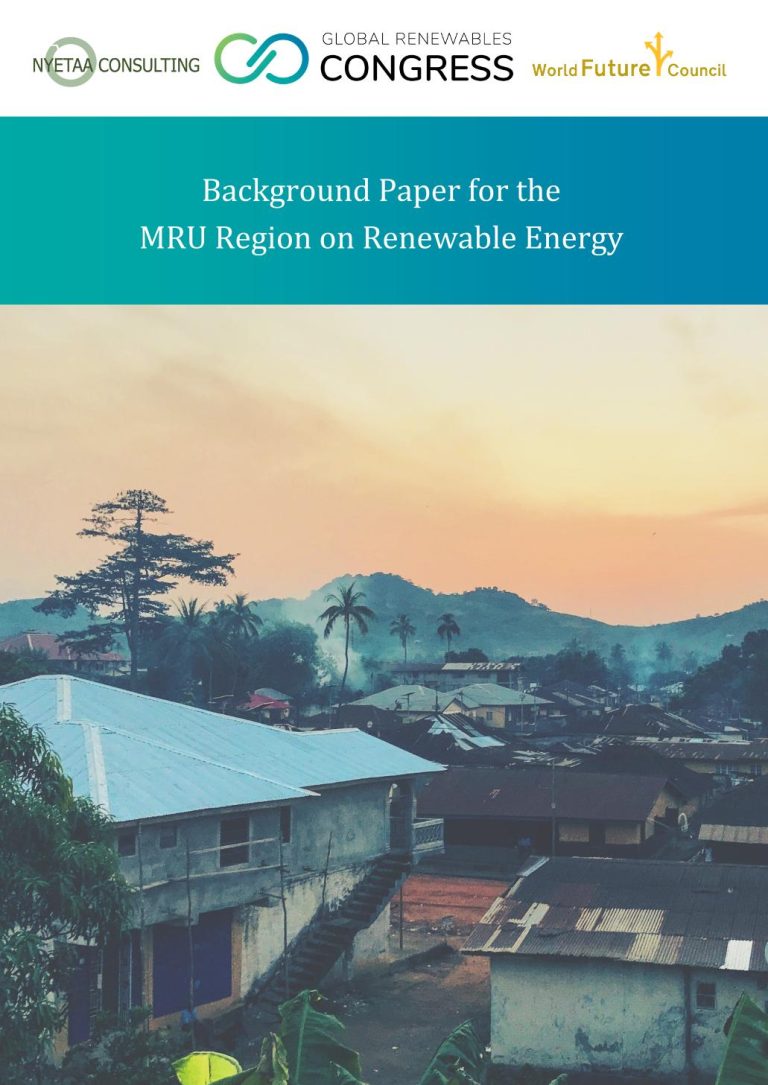
This report analyses policy instruments for grid-connected renewable energy deployment in the electricity sector, focusing on the shortcomings of auctions and novel ways of combining them with administratively set feed-in premiums or feed-in tariffs.
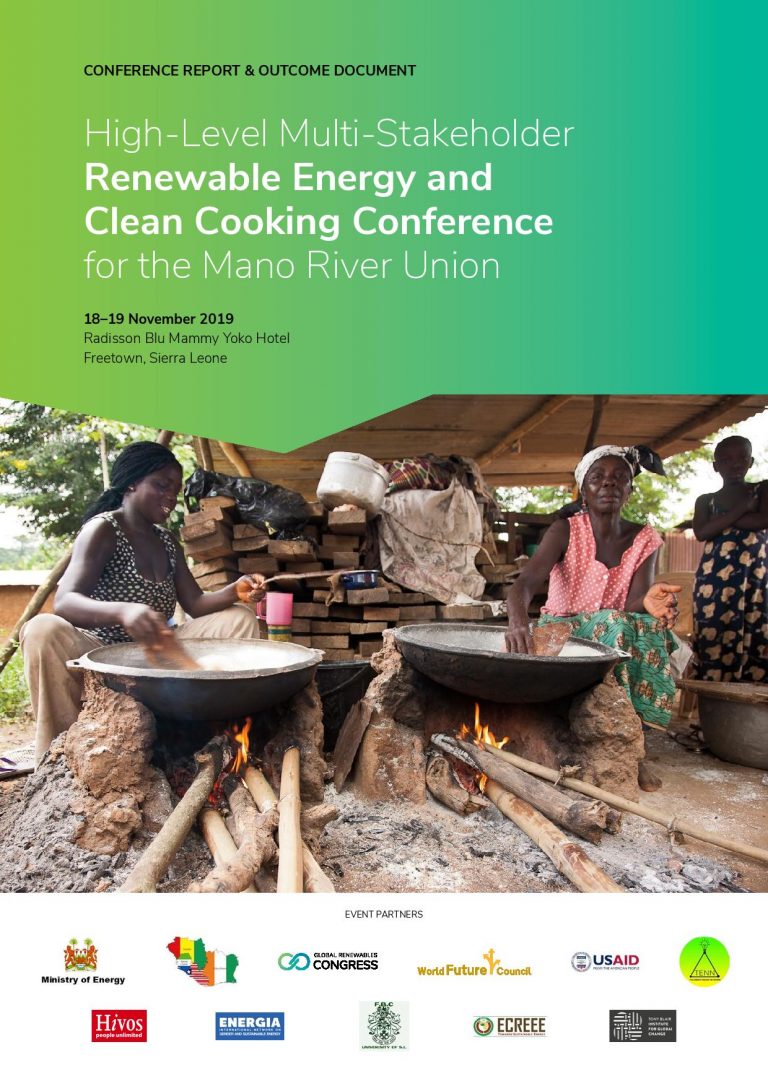
A massive scaling up of renewable energies and the related climate finance on a global level is necessary to meet the 1.5°C limit from the Paris Agreement. This new policy brief discusses the existing climate finance tools and the economic specifics of the global south and distinguishes between the characteristics of domestic and international finance. Additionally, it will give a prospect of new finance possibilities in the near future.
GRC Head Office
World Future Council
c/o Club of Rome Deutschland
Rosenstrasse 2
20095 Hamburg, GERMANY
The Global Renewables Congress (GRC) is a cross-country, cross-party platform for Legislators and Members of Parliament to accelerate large-scale deployment of renewable energy solutions. The GRC is a project of the World Future Council.
© Stiftung World Future Council / 2025
The Global Renewables Congress has been made possible through the generous support of the German Federal Environmental Foundation (Deutsche Bundesstiftung Umwelt /DBU) and the Stiftung Mercator.